Introduction
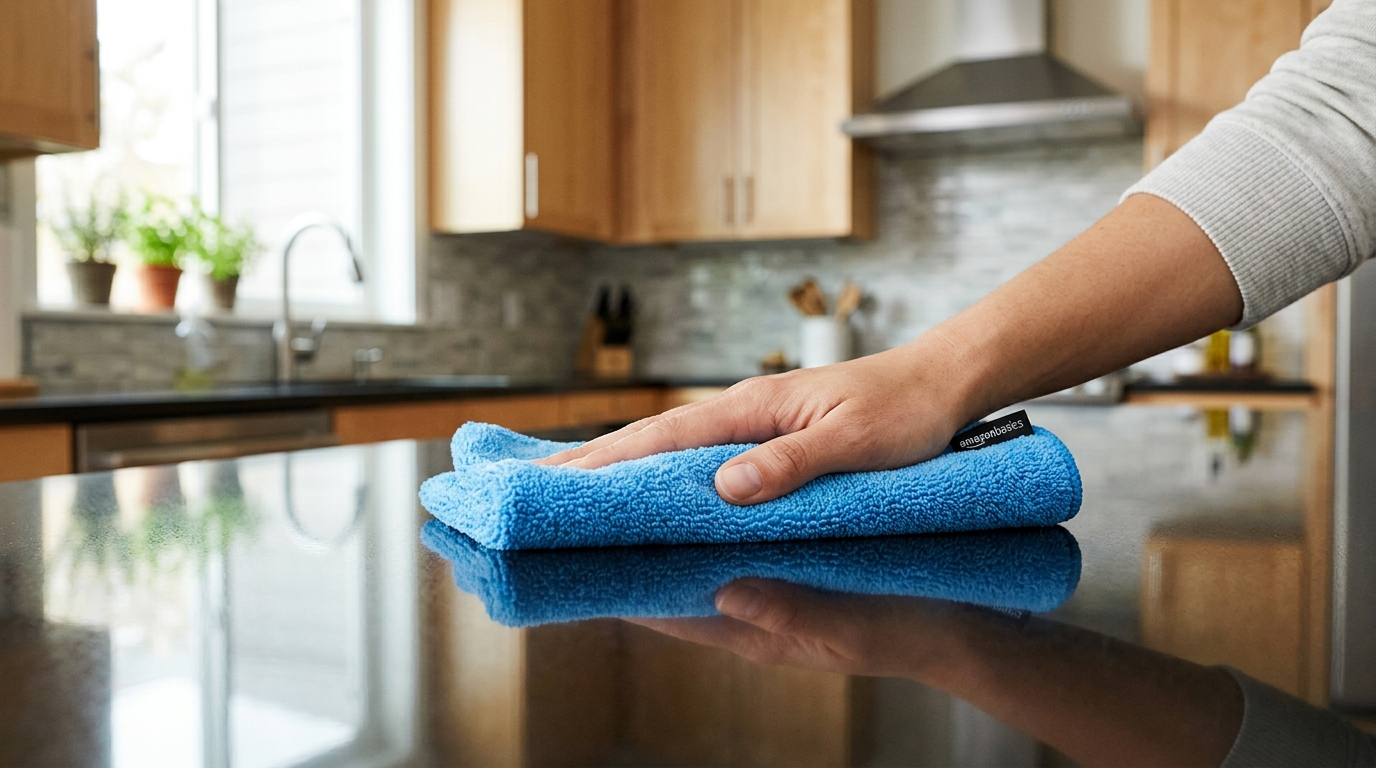
Cleaning supplies rarely get much attention until something goes wrong — a streaky window, a paper towel that leaves lint behind, or a cloth that just pushes dust around instead of picking it up. Microfiber cloths were developed specifically to solve problems like these, and they’ve become a fairly standard household item as a result. The Amazon Basics Microfiber Cleaning Cloths, sold in a 24-pack measuring 16 by 12 inches in a mix of blue, white, and yellow, represent a fairly typical example of this category: reusable, washable cloths marketed as absorbent, lint-free, and non-abrasive.
This article looks at what microfiber cloths actually are, how they differ from more traditional cleaning materials, the kinds of tasks they’re generally used for, who tends to get the most value from having a larger supply on hand, and a few practical considerations worth thinking through before restocking your cleaning supplies. The intent is to give you clear, useful information rather than a sales pitch, so you can judge for yourself whether this type of product fits your household’s needs.
Key Features
Microfiber cloths are defined largely by their material construction, and understanding a few basic characteristics helps explain why they behave differently from cotton rags or paper towels.
Microfiber Material Microfiber refers to synthetic fibers, typically a blend of polyester and polyamide, that are significantly finer than a human hair. This fine fiber structure creates a large surface area relative to the size of the cloth, which is part of why microfiber tends to trap dust, dirt, and liquid more effectively than many traditional materials.
Ultra Absorbency Because of that fine fiber structure, microfiber cloths are generally capable of holding a significant amount of liquid relative to their size, which makes them useful for both wiping up spills and cleaning surfaces that require some dampness, such as countertops or glass.
Lint-Free Design Unlike cotton towels or paper towels, which can leave small fibers or lint behind, microfiber cloths are generally designed to avoid shedding fibers onto the surfaces they clean. This is particularly relevant for tasks like cleaning glass, mirrors, or electronic screens, where leftover lint or fibers are more noticeable.
Streak-Free Performance The combination of fine fibers and strong liquid absorption tends to reduce the streaking commonly associated with cleaning glass or glossy surfaces using paper towels or standard cloths, which often push liquid around rather than fully absorbing it.
Non-Abrasive Surface Microfiber cloths are generally designed to be gentle on surfaces, which makes them suitable for cleaning items that could otherwise be scratched by rougher materials, such as electronics, eyeglasses, or finished furniture.
Reusable and Washable Unlike disposable paper towels, microfiber cloths are designed to be laundered and reused multiple times, which is often framed as a more cost-effective and less wasteful option over time, provided they’re cared for properly.
Pack Size and Color Variety This particular set includes 24 cloths in a mix of blue, white, and yellow, a detail that’s often used practically to color-code cloths for different cleaning tasks or areas of the home, helping to avoid cross-contamination between, for example, kitchen and bathroom cleaning.
How It Can Be Used
Microfiber cloths tend to be used across a fairly wide range of household tasks, and having a larger multi-pack like this one often supports using different cloths for different purposes.
General surface cleaning is probably the most common use, covering countertops, tables, and other everyday surfaces where a cloth is used with or without a cleaning solution to wipe away dust, crumbs, or light grime.
Glass and mirror cleaning benefits particularly from microfiber’s streak-free properties, since the fine fibers absorb moisture more evenly than paper towels or standard cloths, which often leave visible streaks or lint on glossy surfaces.
Electronics and screen cleaning is another common application, given the non-abrasive nature of microfiber. Many people use a dry or slightly damp microfiber cloth to clean phone screens, laptop displays, and television screens without risking the kind of scratching that rougher materials might cause.
Dusting is a frequent use case as well, since the fine fiber structure tends to attract and hold onto dust rather than simply pushing it around the way some drier cloths do.
Kitchen cleanup, including wiping counters, appliances, and spills, is a practical everyday use, particularly given the cloth’s absorbency and reusability compared to going through paper towels for the same tasks.
Car detailing is another area where microfiber cloths are commonly used, particularly for wiping down interior surfaces, cleaning windows, or buffing exterior paint without leaving scratches, which matters more with vehicle surfaces than with many household applications.
Color-coded cleaning routines are a practical use of having a multi-colored pack like this one, where different colors might be designated for different rooms or tasks, such as kitchen versus bathroom cleaning, to help reduce the risk of spreading germs or residue between areas.
Who It May Be Suitable For
Given how broadly applicable microfiber cloths tend to be, a large pack like this one appeals to a fairly wide range of households and use cases.
Households looking to reduce paper towel usage may find a larger set of reusable cloths a practical way to cut down on ongoing disposable cleaning supply purchases, relying instead on washable cloths for most everyday cleaning tasks.
People who clean glass, mirrors, or screens regularly may specifically appreciate the lint-free, streak-free properties that distinguish microfiber from more traditional cleaning materials.
Anyone maintaining a car may find a dedicated set of microfiber cloths useful for both interior wiping and exterior detailing tasks, where scratch-free cleaning matters more than it typically does around the house.
Larger households or those managing multiple cleaning zones, such as a kitchen, several bathrooms, and various living spaces, may benefit from a bigger pack size and color variety, making it easier to designate specific cloths for specific areas.
People setting up a cleaning routine from scratch, such as those moving into a new home, may find a larger multi-pack a practical way to stock up on a versatile cleaning tool without needing to purchase several different specialized products for different surfaces.
On the other hand, someone who only occasionally cleans a small space, or who already has an established stock of similar cloths, may find a smaller pack size more appropriate for their needs, since a 24-pack represents a fairly substantial supply that may go underused in smaller households.
Important Things to Consider
There are a handful of practical points worth thinking through when it comes to microfiber cloths specifically, beyond the basic decision of whether to buy them at all.
Washing instructions matter for longevity. Microfiber cloths generally perform best, and last longest, when washed according to specific care guidelines, which often include avoiding fabric softener, since it can coat the fibers and reduce their absorbency and effectiveness over time. Washing in warmer water with a normal detergent, and air drying or using low heat, is a common recommendation across many microfiber products.
Color-coding requires some initial setup. While having multiple colors available is useful for organizing cleaning tasks by area, it does require a household to actually establish and maintain that system, which some people find worthwhile and others may not bother with in practice.
Not all microfiber cloths perform identically. Fiber density, thickness, and overall construction can vary between products, which affects how absorbent or durable a particular cloth turns out to be. It’s generally worth confirming that a specific product matches your intended use, whether that’s heavier-duty cleaning or more delicate tasks like screen wiping.
Cross-contamination risk without proper separation. Even with color-coded cloths, cross-contamination can still occur if cloths aren’t washed separately from more heavily soiled laundry or stored properly between uses, which is worth keeping in mind for cleaning tasks involving bathrooms or other higher-risk areas.
Storage space for a larger pack. A 24-pack represents a fairly substantial quantity of cloths, so it’s worth considering where they’ll be stored, particularly if you’re trying to keep cleaning supplies organized and accessible rather than creating clutter.
Microfiber isn’t universally suitable for every surface. While generally non-abrasive, it’s still worth checking manufacturer guidance for particularly delicate surfaces, such as certain finished woods or specialty coatings, since not every cleaning task is automatically improved by switching to microfiber over other specifically recommended materials.
Comparison of General Categories
Rather than comparing this specific product to other individual brands, it’s often more helpful to compare microfiber cloths as a category against other common cleaning materials, to understand where they tend to fit best.
Microfiber cloths versus paper towels. Paper towels are disposable and convenient for one-time use, particularly for larger spills or situations where reuse isn’t practical or hygienic. Microfiber cloths, being reusable, are often positioned as a more cost-effective and less wasteful option over time for regular cleaning tasks, though they do require regular washing to remain effective and hygienic.
Microfiber cloths versus traditional cotton rags. Cotton rags are a long-standing household cleaning staple and tend to be durable and inexpensive, but they generally don’t match microfiber’s fine fiber structure when it comes to trapping dust or avoiding streaks on glass and glossy surfaces. Microfiber tends to outperform cotton specifically in tasks involving glass, screens, and dust attraction, while cotton rags may still be preferred for heavier-duty, less delicate cleaning tasks.
Microfiber cloths versus disposable cleaning wipes. Pre-moistened disposable wipes offer convenience and are often pre-treated with cleaning solution, which can be useful for quick, one-off cleaning tasks. Microfiber cloths require pairing with a separate cleaning solution or water for most tasks, but avoid the ongoing cost and waste associated with disposable wipes, particularly for households doing frequent cleaning.
Larger multi-packs versus smaller specialty sets. A larger, general-purpose pack like this one offers flexibility and value for households that go through cloths quickly or want to establish a color-coded system across multiple areas. Smaller, more specialized sets, sometimes marketed specifically for auto detailing or electronics cleaning, may offer more targeted fiber density or texture for those specific tasks, which is worth considering if your cleaning needs are more narrowly focused.
Frequently Asked Questions
How often should microfiber cloths be washed? This generally depends on how frequently and for what purpose they’re used, but many households wash microfiber cloths after each significant use, particularly for cloths used in kitchens or bathrooms, to maintain both hygiene and cleaning performance.
Can microfiber cloths be used with cleaning chemicals? Microfiber cloths are commonly used alongside various household cleaning solutions, though it’s generally worth confirming that a specific chemical is compatible with the cloth material, since some particularly harsh solutions may affect fiber performance over repeated use.
Why do microfiber cloths sometimes lose their effectiveness over time? Reduced effectiveness is often related to fabric softener buildup, washing at very high heat, or general wear from repeated use, all of which can affect the fine fiber structure that gives microfiber its cleaning properties.
Is it necessary to use different colored cloths for different areas of the home? It isn’t strictly necessary, but many people find color-coding useful for reducing the risk of cross-contamination between areas like kitchens and bathrooms, and a multi-color pack simply makes that system easier to set up if desired.
Can microfiber cloths be used dry, or do they need to be damp? Both dry and damp use are common, depending on the task. Dry cloths are often used for dusting or wiping screens, while damp cloths are typically used for surfaces that need a more thorough wipe-down, such as countertops or glass.
Are microfiber cloths safe to use on electronic screens? Microfiber’s non-abrasive properties generally make it a commonly recommended material for cleaning screens, though it’s still worth using it dry or with minimal moisture on sensitive electronics, and checking any specific manufacturer guidance for your particular device.
How long do microfiber cloths typically last with regular use and washing? Lifespan varies depending on frequency of use, washing habits, and overall care, but many microfiber cloths can be reused for an extended period if washed according to recommended guidelines, avoiding fabric softener and excessive heat that can degrade the fibers over time.
Conclusion
Microfiber cleaning cloths, including multi-packs like the Amazon Basics 24-count set, reflect a fairly straightforward shift in household cleaning habits: replacing single-use paper towels and traditional cloths with a reusable material specifically designed to trap dust, absorb liquid efficiently, and avoid the streaking or lint that often comes with other materials. Their broad applicability, from kitchen counters to glass surfaces to car interiors, is part of why they’ve become a common staple in many households.
Whether a larger pack like this one makes sense for your household depends on how much cleaning you typically do, whether you’re looking to reduce reliance on disposable paper products, and how useful a color-coded system might be for keeping different cleaning areas separate. As with most household supplies, weighing your actual cleaning habits and needs against the practical details covered here is generally the best way to decide if it’s the right fit for your home.